
Cost by use case
The intended use sets the specification, and the specification sets the price. Plumbing, ventilation and floor loading are the three variables that move the figure most.
| Use | Single garage | What drives the price |
|---|---|---|
| Playroom or snug | £8,000 – £12,000 | Simplest specification, no plumbing |
| Home office | £9,000 – £14,000 | Data points, extra sockets, better flooring |
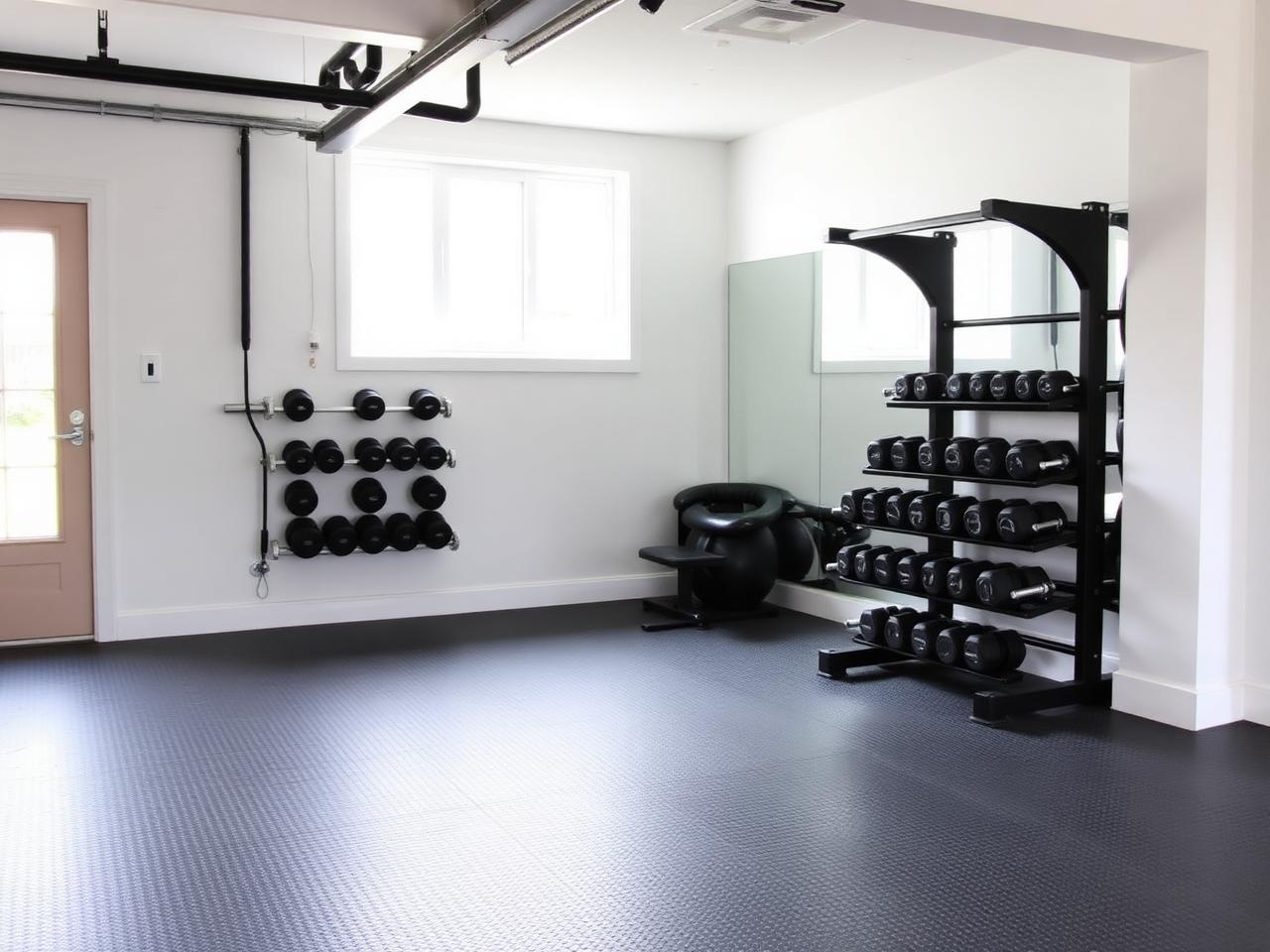
| Home gym | £10,000 – £15,000 | Heavier floor build-up, extract ventilation |
| Utility or laundry | £12,000 – £17,000 | Plumbing, drainage, waterproof finishes |
| Shower room added | +£3,500 – £6,000 | Soil connection, waterproofing, extract fan |
| Granny annexe | £18,000 – £30,000 | Kitchenette, shower room, fire and escape works |
Cost by finish level
| Level | Cost per m² | Typical finishes |
|---|---|---|
| Standard | £650 – £850 | Painted plaster, laminate flooring, panel heaters, pendant lighting |
| Mid | £850 – £1,100 | Engineered wood, radiator on the house system, recessed lighting, joinery |
| High | £1,100 – £1,500 | Bespoke joinery, underfloor heating, glazed doors, integrated storage |
A typical Glasgow single garage measures 14 to 16 m², so a mid-level finish across the full width lands between roughly £12,000 and £17,000 before extras.
What is included in a quote
- —Drawings and the Glasgow City Council building warrant fee
- —Removal of the garage door and the insulated infill wall, finished to match the house
- —New window or external door and lintel where required
- —Damp-proof membrane, floor insulation and floor build-up
- —Wall and ceiling insulation, plasterboard and plaster finish
- —Electrics, certification, heating and ventilation
- —Flooring, decoration, skirtings and waste removal
Costs that catch people out
- —Raising the slab: levelling the garage floor to match the house floor costs £900 to £2,000 more than decking over it.
- —Failed flat roof: replacing a worn garage roof before conversion costs £1,800 to £3,500.
- —Consumer unit upgrade: an older board that cannot take the new circuits costs £450 to £900 to replace.
- —Meter relocation: moving a gas or electricity meter out of the garage is charged by the utility and can take several weeks to schedule.
- —Drainage runs: a shower room far from the existing soil stack needs a pumped connection, adding £700 to £1,400.
Is it worth it?
A garage conversion adds heated floor area at roughly half the cost per square metre of a single-storey extension, which is why it is the most efficient way to gain a room in Glasgow's 1930s semi-detached and post-war estate housing. The value effect depends on parking: where the driveway still takes two cars, losing the garage rarely reduces saleability, and we assess that at survey.
All figures on this page are indicative ranges for planning purposes. Your written quote follows a site survey.