
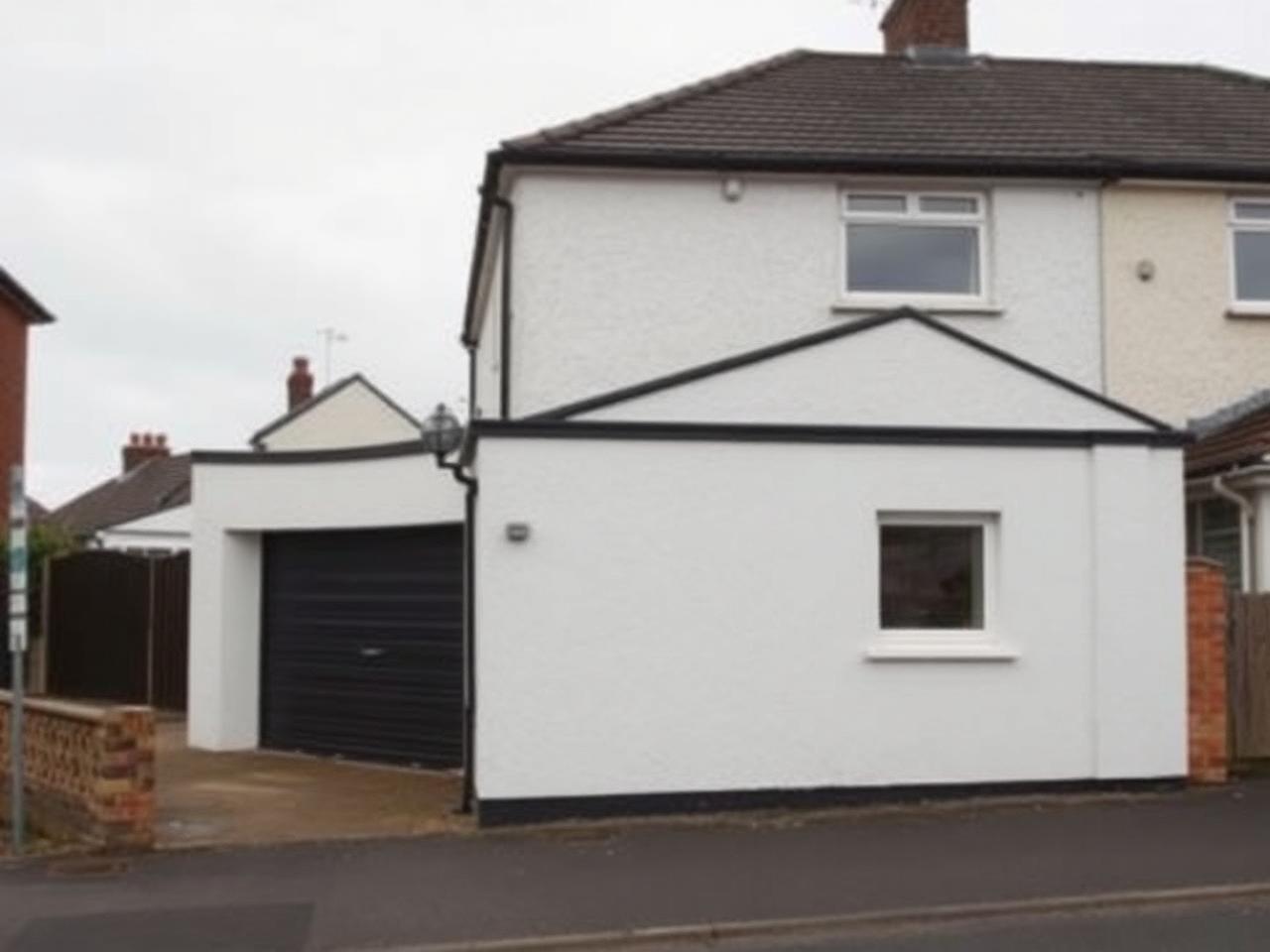
Annual checks that matter
- —Trickle vents in any window: check they haven't been painted or decorated shut, which is the single most common way good ventilation design gets undone after the fact.
- —Extract fan operation, if the room has one: listen for it running and check the grille isn't clogged with dust.
- —The infill wall junction, inside and out: look for hairline cracking where the new wall meets the original structure, which is normal minor settlement rather than a fault unless it widens over time.
- —Skirting and floor junctions: watch for any discolouration or lifting, which is the first visible sign of a floor damp issue.
Why Glasgow's climate keeps this relevant long-term
Glasgow's roughly 1,200 mm of annual rainfall doesn't stop being relevant once the conversion is finished — it's a permanent feature of maintaining the room. Rendered infill walls in particular benefit from an occasional check for hairline cracking that could let water in, since render is a maintained finish rather than a fit-and-forget one.
Signs something needs attention
Watch for a musty smell that wasn't there when the room was new, condensation on the inside of external walls in cold weather, or a return of the damp staining the original build-up was designed to prevent. None of these are necessarily serious on their own, but all are worth investigating rather than ignoring.
What not to do
Don't block trickle vents or extract grilles for draught-proofing — they're sized deliberately as part of the building warrant's ventilation requirement, and blocking them reintroduces the condensation risk the original build-up was designed around.
Don't assume a small crack at the infill wall junction is a structural problem before having it looked at — most are cosmetic settlement, but a proper look costs little against the alternative of guessing.
When to get it looked at professionally
If damp, mould or a musty smell appears in a conversion that was previously dry, get it investigated rather than treating the surface symptom. In a correctly built conversion this is uncommon, and finding the cause — usually a blocked vent, damaged render, or a degraded seal somewhere in the build-up — is straightforward when caught early.